Systems · Products · Engineering
We own systems. We build systems with partners. We stay after they ship.
An eight-person remote engineering and product team. We build and operate our own systems, engineer commissioned systems with partners, and keep them running after they ship.
Three ways a system reaches production.
Products
Systems we own and operate.
Commissioned Systems
Systems we build with partners.
Production Engineering
Systems we keep running after they ship.
Product · Owned and operated
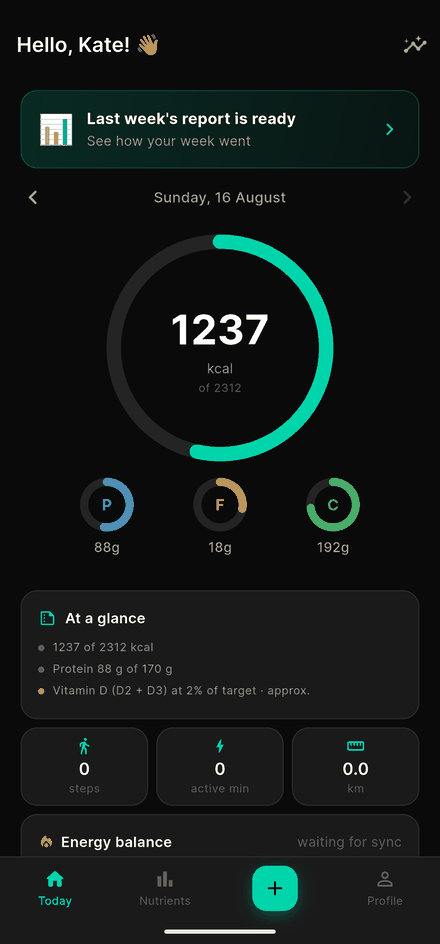
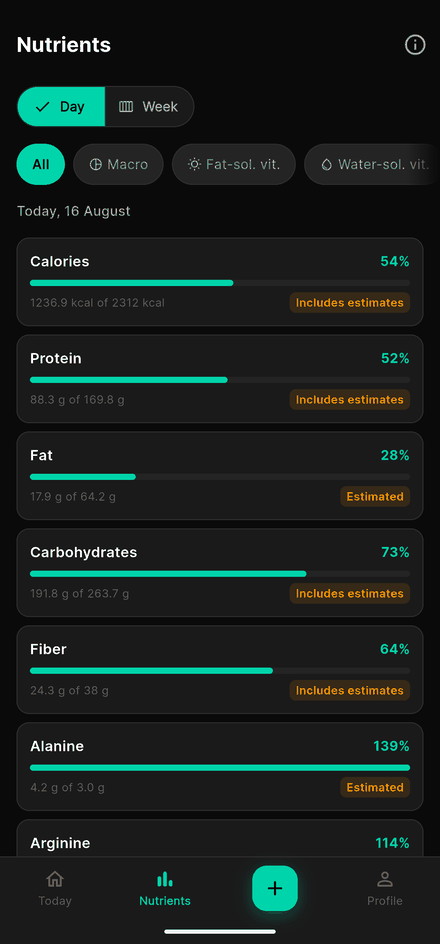
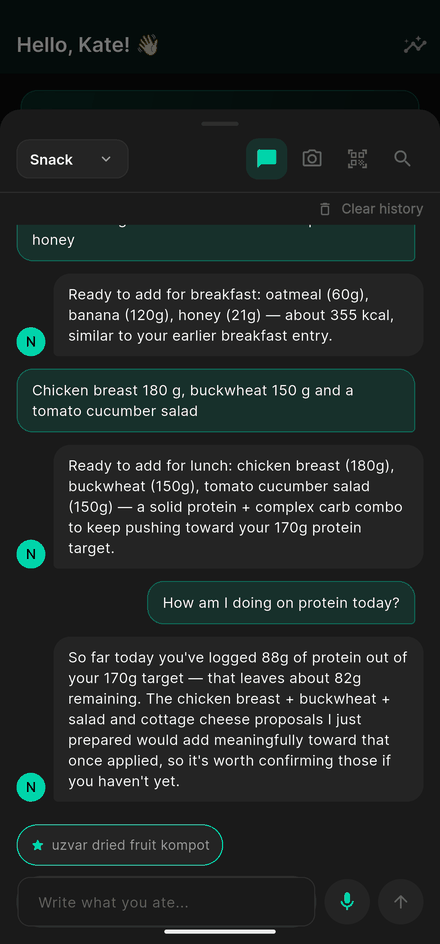
One sentence in. Forty nutrients out.
Most trackers stop at calories. NutriSense reads a meal in plain language and records the full picture, then keeps what a watch measured separate from what was eaten.
- Stack
- Go · Flutter · Android
- Status
- In production on Android, published on Google Play.
Product · Owned
Four decoders. One socket.
- Decoders
- GigaAM
- Parakeet
- Qwen3-ASR
- Whisper
Pure Rust on Candle with no Python interpreter in the running service. Memory-mapped weights, partial transcripts while the stream is open, and one frame shape out.
- IngestSession state, isolated
- RetrievalGrounded in group history
- AssistantBudget-capped answers
- AuditEvery answer traceable
Commissioned system
The protocol never reaches the product.
Four Rust services behind an isolated protocol layer, so a failure at the boundary stays at the boundary. Answers come from the group’s own history and cite the message they stood on.
Commissioned work, built with and for a partner. Red Sentra keeps an ongoing support role. The partner and the commercial terms stay private.
Commissioned system · Pre-release
A scanner that holds itself back.
Almost every tool in this category is sold on reach. Cortex is designed around three limits that can each stop it on their own — a token budget, a ceiling on work in flight, and a cap per host — so a scan is something a network can absorb.
StatusPre-release. No binary has been published.
We stay after
they ship.
Shipping is the easy half. The ones we have shipped are still running, and they are still ours to keep running.
Everything we can publish.
- NutriSensePlain-language nutrition trackingIn production
- RustSTTReal-time speech recognition serviceIn production
- VestryAnswers only from its own historyIn production
- LexoraVocabulary learning from your own listsIn production
- CortexEvidence-preserving network reconnaissancePre-release
- Sentinel SolarOn-site solar telemetry backendDeployed
- AelyxLocal-first project intelligenceInternal
- Web AegisInternal web security toolingInternal
- Blockchain AegisInternal blockchain security toolingInternal
8 engineers. Remote by default.
Flat, with no sales layer. The person who answers your first message is the person who would build the system.
Founded and led by Viktor Marymorych, Founder & Systems Engineer.
What the team builds
- Backend & distributed systems
- Real-time & streaming
- Infrastructure & edge
- AI systems & agents
- Security engineering
- Mobile & client
Security engineering is one of these, and a historical strength. It is not the category the company sits in.
How we work
- Remote by default.
- Flat, with no sales layer.
- You talk to the engineers building the system.
Tell us what you are building.
Describe the system, the constraint you are up against, and where it currently hurts. Specifics get a better answer than a brief.